Signs Your Retaining Wall Needs Repair or Reinforcement
connect with me
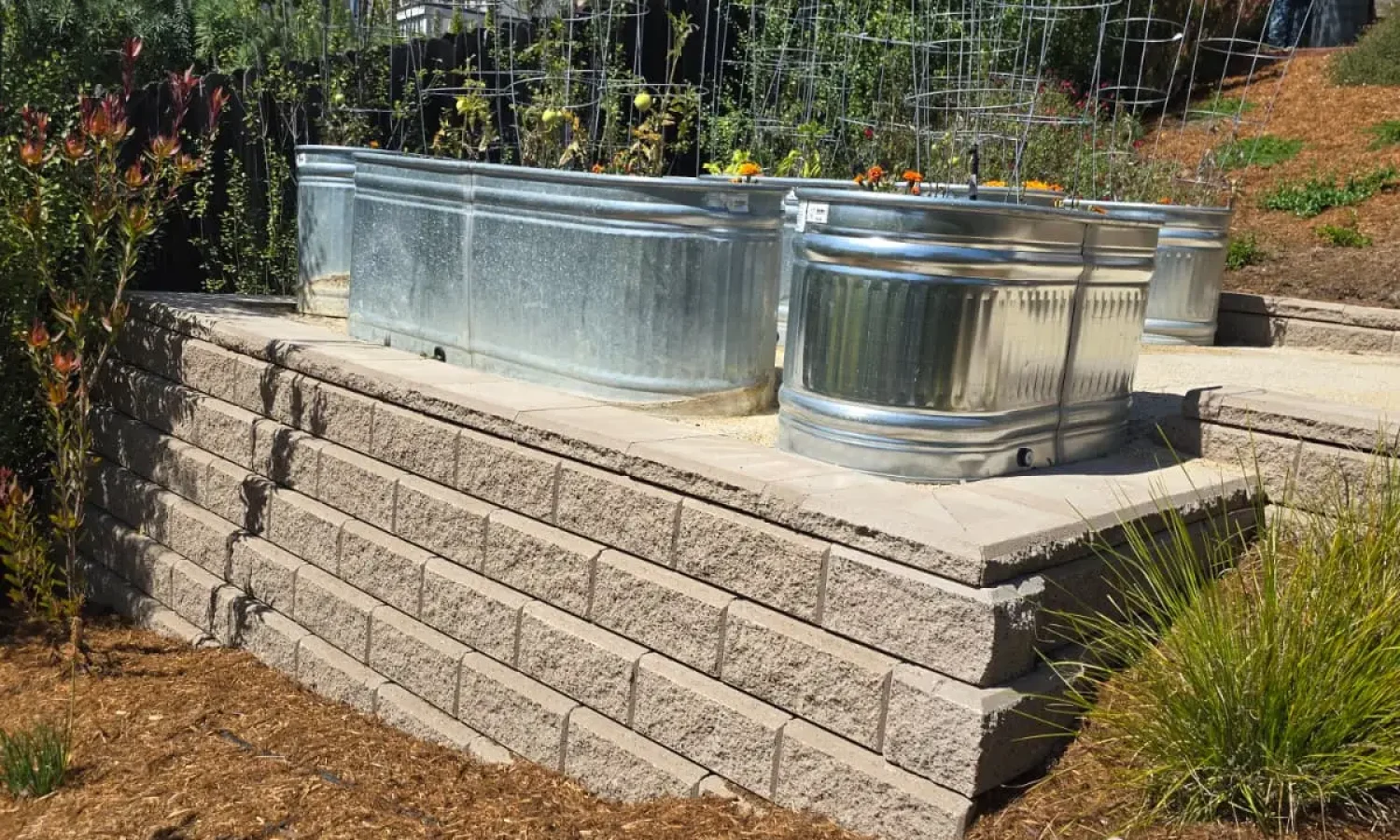
A retaining wall does a demanding job every single day. It holds back soil, manages water pressure, and keeps your landscape stable through heat, rain, and everything in between. Over time, even a well-built wall can begin to show wear, and knowing what to look for before a small issue becomes a structural failure can save you from a much more costly repair down the road.
For homeowners throughout San Luis Obispo and the surrounding Central Coast, where sloped terrain is common and seasonal rainfall adds consistent pressure to these structures, regular inspection is one of the smartest habits you can develop.
Visible Cracks in the Wall Surface
Cracks are one of the first and most telling signs that a retaining wall is under stress. Not all cracks carry the same level of urgency, but none should be ignored entirely.
- Hairline cracks are common and often stable, but should be monitored for growth over time
- Horizontal cracks are a serious warning sign, typically indicating the wall is bowing under lateral soil pressure
- Stair-step cracks in block or masonry walls suggest shifting at the foundation level
- Wide or spreading cracks that allow water infiltration will worsen quickly without intervention
Bulging, Leaning, or Tilting Sections
A retaining wall that is visibly moving out of position is one of the most urgent signs of structural distress. When a wall begins to bow outward or tilt away from the soil it supports, the forces behind it have exceeded what the structure can safely handle.
- Outward bulging typically results from excessive soil pressure combined with inadequate drainage
- Leaning sections indicate the wall’s footing or base is no longer providing sufficient support
- Even minor tilting can accelerate rapidly once it begins, increasing the risk of partial or full collapse
- Walls located near driveways, patios, or structures require immediate attention if any movement is detected
Poor Drainage and Water Pooling
Water is the most common cause of retaining wall failure. When drainage behind or around the wall is compromised, hydrostatic pressure builds up and pushes against the structure with significant force.
- Standing water at the base of the wall signals that the drainage system is not functioning properly
- Water seeping through the wall face indicates moisture is accumulating behind the structure
- White powdery residue on the surface, known as efflorescence, points to ongoing water infiltration through the masonry
- Soil washing away from the base or sides of the wall is a sign that erosion is undermining its foundation
Why Professional Retaining Wall Inspection Matters
Many of the most serious retaining wall problems are not visible on the surface. Soil conditions, drainage failures, and foundation issues require an experienced eye to properly assess. At Alcatraz Landscapes, we inspect retaining walls throughout San Luis Obispo and the surrounding Central Coast to identify exactly what each structure needs, whether that means targeted repairs, reinforcement, or a full rebuild designed to last for decades.
Final Thoughts
Your retaining wall protects your property, your landscaping, and in many cases your home’s foundation. Catching signs of damage early, whether it’s cracking, movement, or drainage problems, gives you the most options and keeps repair costs manageable. If your wall is showing any of these warning signs, don’t wait for the problem to worsen. Reach out to Alcatraz Landscapes for a professional inspection and find out exactly what your wall needs to perform safely for years to come.
Transform Your Outdoors with Alcatraz Landscapes
Whether you’re starting from scratch or looking to enhance your existing landscape, Alcatraz Landscapes has the expertise and creativity to make your outdoor space truly shine.
FOR FUTHER INQUIRY
+1 (805) 788-8509