Why Retaining Wall Design Matters as Much as Construction Quality
connect with me
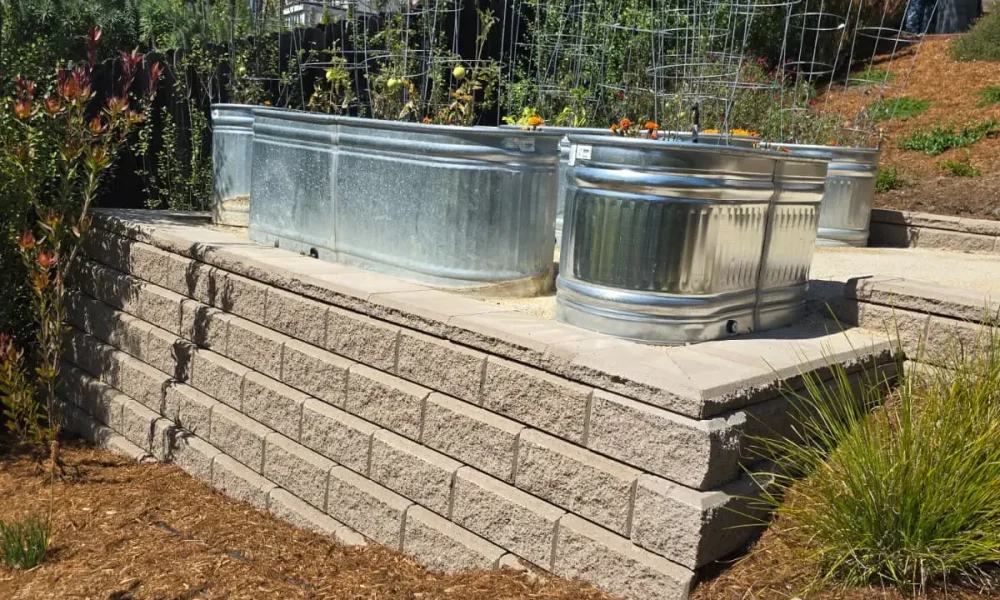
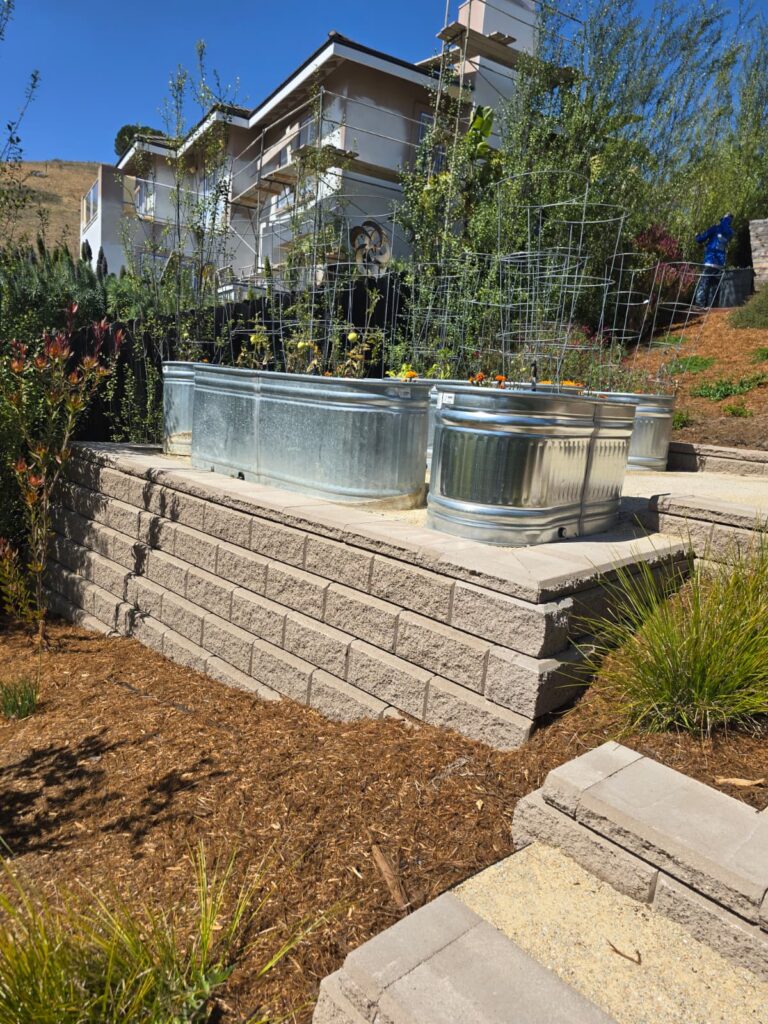
Most homeowners evaluate a retaining wall by what they can see: the materials used, the finish, and whether the wall looks straight and solid. But the factors that actually determine how long a retaining wall lasts and how safely it performs have almost nothing to do with surface appearance. Design decisions made before a single block is placed, including drainage planning, soil assessment, and structural engineering, are what separate a wall that holds up for decades from one that begins to crack, lean, or fail within a few seasons.
For homeowners throughout San Luis Obispo and the Central Coast, where sloped terrain and seasonal rainfall create real pressure on retaining structures, understanding why design is just as important as construction quality can save significant money and prevent serious property damage down the road.
The Role of Drainage in Retaining Wall Longevity
Poor drainage is the single most common cause of retaining wall failure, responsible for more structural problems than inadequate materials or poor workmanship combined. When water accumulates behind a wall without a way to escape, it creates hydrostatic pressure that pushes outward against the structure with significant and increasing force.
- Water trapped behind a wall can double the lateral load the structure was designed to handle, far exceeding its capacity
- Walls without proper drainage typically show signs of cracking, leaning, or outward bulging within five to fifteen years of installation
- A drainage system designed before construction, not added as an afterthought, is what allows water to exit the wall safely before pressure builds
- Components like perforated drain pipes, gravel backfill, weep holes, and proper surface grading all work together as part of an integrated drainage plan
How Soil Conditions and Site Assessment Shape the Design
Every retaining wall site is different. The type of soil behind the wall, the slope angle, the presence of nearby structures, and the volume of water the site receives during rain events all affect how the wall needs to be engineered. A design that works perfectly on one property can fail on another if these site-specific conditions are not properly evaluated before construction begins.
- Clay-heavy soils retain water and shift more than sandy or granular soils, requiring different drainage and footing approaches
- Walls located near driveways, structures, or other surcharge loads must account for the additional weight pressing down on the soil behind them
- Slope angle and the height of retained soil directly affect how much lateral pressure the wall must withstand at its base and footing
- Proper site assessment identifies these conditions in advance so the wall is engineered to handle the actual forces it will face, not a generic estimate
Why Wall Height Demands Engineering Precision
As a retaining wall increases in height, the forces acting on it increase dramatically. A wall that reaches four feet or taller is subject to soil pressure, water pressure, and potential surcharge loads that require precise engineering to manage safely. Skipping the design phase on walls of this height is one of the most common and costly mistakes in residential hardscaping.
- Taller walls require deeper, wider footings to prevent sliding and overturning under load
- The setback angle of stacked block walls must be calculated based on wall height and soil conditions to maintain structural stability
- Reinforcement materials like geogrid fabric are often required at specific intervals within taller wall systems to distribute pressure across the structure
- Many municipalities, including those throughout San Luis Obispo County, require engineering review and permits for retaining walls above a certain height
Why Professional Retaining Wall Design and Installation Matters
A retaining wall built with quality materials but without proper design behind it is still a wall waiting to fail. The engineering, drainage planning, and site assessment that go into the design phase are what give the construction quality something solid to build on. At Alcatraz Landscapes, we approach every retaining wall project throughout San Luis Obispo and the surrounding Central Coast with the design discipline and construction craftsmanship that both phases require, delivering structures that are engineered to last and built to perform under the real conditions of your property.
Final Thoughts
A retaining wall is only as strong as the design behind it. Drainage systems, soil assessment, footing depth, and structural engineering are the invisible decisions that determine whether a wall stands for thirty years or starts showing failure within the first few. If you are planning a new retaining wall or concerned about an existing one, reach out to Alcatraz Landscapes for a professional evaluation and free estimate. We build walls that are designed right from the start.
Transform Your Outdoors with Alcatraz Landscapes
Whether you’re starting from scratch or looking to enhance your existing landscape, Alcatraz Landscapes has the expertise and creativity to make your outdoor space truly shine.
FOR FUTHER INQUIRY
+1 (805) 788-8509